
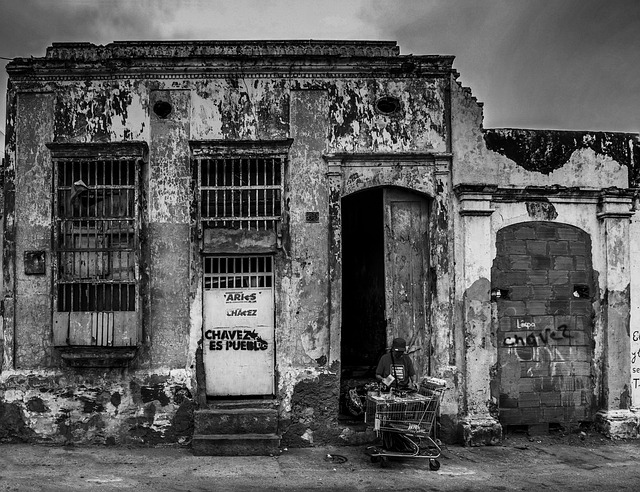
urban blight
Nghĩa tiếng Việt
Definition & Meaning
English Definition
The decay and degradation of the environmental and social fabric of urban areas, often characterized by dilapidated buildings, poverty, crime, and a general sense of despair.
Vietnamese Meaning
Sự suy tàn và xuống cấp của môi trường và cấu trúc xã hội ở các khu vực đô thị, thường được đặc trưng bởi các tòa nhà đổ nát, nghèo đói, tội phạm và cảm giác tuyệt vọng chung.
Media Context
Interactive Examples (Tap video to Pause/Play).
Examples
-
"The city council is working to combat urban blight in the downtown area."
"Hội đồng thành phố đang nỗ lực chống lại sự suy tàn đô thị ở khu vực trung tâm thành phố."
-
"The abandoned factory contributed to the urban blight in the neighborhood."
"Nhà máy bỏ hoang đã góp phần vào sự suy tàn đô thị trong khu phố."
-
"High unemployment and poverty are often associated with urban blight."
"Tỷ lệ thất nghiệp cao và nghèo đói thường liên quan đến sự suy tàn đô thị."
Word Family (Họ từ)
Synonyms
Antonyms
Related Words
Subject Area
Usage Note
The term 'urban blight' carries a negative connotation, highlighting the undesirable conditions in certain urban areas. It often implies a need for urban renewal and revitalization efforts. It can be used to describe both the physical appearance of a blighted area and the social issues prevalent within it. The phrase is often used to describe the consequences of factors like economic decline, lack of investment, and inadequate urban planning.
Prepositions
'- Urban blight of [a city/area]' indicates the blight affecting that specific location. '- Urban blight in [a city/area]' similarly denotes the location where blight is occurring. The choice between the two is often stylistic.
Collocations (Từ đi kèm)
-
severe severe urban blight (sự suy thoái đô thị nghiêm trọng)
-
widespread widespread urban blight (sự suy thoái đô thị lan rộng)
-
economic economic urban blight (sự suy thoái đô thị về mặt kinh tế)
-
combat combat urban blight (chống lại sự suy thoái đô thị)
-
address address urban blight (giải quyết vấn đề suy thoái đô thị)
-
reverse reverse urban blight (đảo ngược tình trạng suy thoái đô thị)
Idioms
-
a victim of urban blight
nạn nhân của sự suy thoái đô thị
"The neighborhood became a victim of urban blight after the factory closed."
(Khu phố trở thành nạn nhân của sự suy thoái đô thị sau khi nhà máy đóng cửa.)
-
the fight against urban blight
cuộc chiến chống lại sự suy thoái đô thị
"The city council is committed to the fight against urban blight."
(Hội đồng thành phố cam kết tham gia cuộc chiến chống lại sự suy thoái đô thị.)
Interactive Flashcard
Click the card to flip and test your memory.
urban blight
nounSự suy tàn và xuống cấp của môi trường và cấu trúc xã hội ở các khu vực đô thị, thường được đặc trưng bởi các tòa nhà đổ nát, nghèo đói, tội phạm và cảm giác tuyệt vọng chung.
"The city council is working to combat urban blight in the downtown area."
Grammar Rules
Rule: Future Perfect Tense (Thì Tương lai Hoàn thành)
| Loại câu | Ví dụ Tiếng Anh | Bản dịch Tiếng Việt |
|---|---|---|
| Khẳng định | By 2050, the government will have implemented several programs to combat urban blight. |
Đến năm 2050, chính phủ sẽ thực hiện một vài chương trình để chống lại sự suy thoái đô thị. |
| Phủ định | By the time the new development project is completed, urban blight will not have completely disappeared from the area. |
Cho đến khi dự án phát triển mới hoàn thành, sự suy thoái đô thị sẽ không hoàn toàn biến mất khỏi khu vực này. |
| Nghi vấn | Will the city planners have successfully addressed urban blight by the end of the decade? |
Liệu các nhà quy hoạch thành phố có giải quyết thành công tình trạng suy thoái đô thị vào cuối thập kỷ này không? |
Rule: Future Perfect Continuous Tense (Thì Tương lai Hoàn thành Tiếp diễn)
| Loại câu | Ví dụ Tiếng Anh | Bản dịch Tiếng Việt |
|---|---|---|
| Khẳng định | The city planners will have been combating urban blight for a decade by the time the new development project is completed. |
Các nhà quy hoạch thành phố sẽ đã và đang chiến đấu với tình trạng suy thoái đô thị trong một thập kỷ vào thời điểm dự án phát triển mới hoàn thành. |
| Phủ định | The community won't have been experiencing urban blight for long before the revitalization efforts take effect. |
Cộng đồng sẽ không phải trải qua tình trạng suy thoái đô thị trong một thời gian dài trước khi những nỗ lực tái thiết có hiệu quả. |
| Nghi vấn | Will the government have been addressing urban blight effectively enough to see real improvements by next year? |
Liệu chính phủ đã và đang giải quyết tình trạng suy thoái đô thị một cách đủ hiệu quả để thấy được những cải thiện thực sự vào năm tới? |
Cultural Context
Khám phá các khía cạnh văn hóa và xã hội thú vị xoay quanh từ "urban blight".