
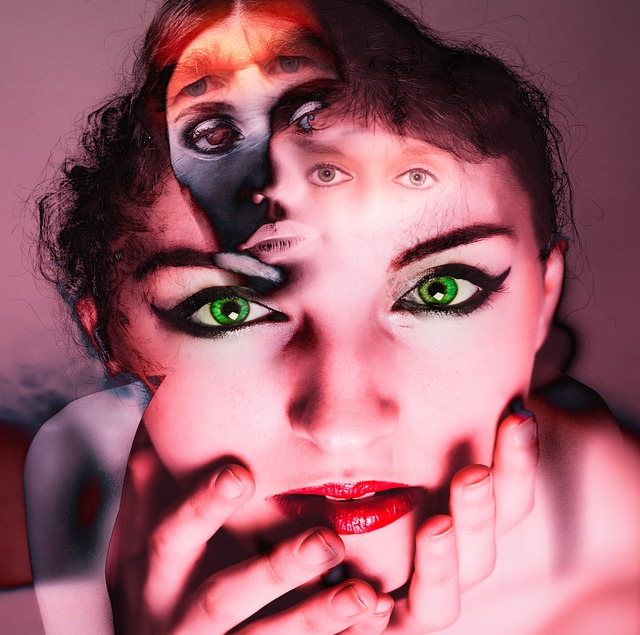
psychological disorder
Nghĩa tiếng Việt
Definition & Meaning
English Definition
A condition characterized by abnormal thoughts, feelings, or behaviors.
Vietnamese Meaning
Một tình trạng được đặc trưng bởi những suy nghĩ, cảm xúc hoặc hành vi bất thường.
Media Context
Interactive Examples (Tap video to Pause/Play).
Examples
-
"Schizophrenia is a severe psychological disorder that affects a person's ability to think, feel, and behave clearly."
"Tâm thần phân liệt là một rối loạn tâm lý nghiêm trọng ảnh hưởng đến khả năng suy nghĩ, cảm nhận và hành xử rõ ràng của một người."
-
"Early intervention can significantly improve the prognosis for many psychological disorders."
"Sự can thiệp sớm có thể cải thiện đáng kể tiên lượng cho nhiều rối loạn tâm lý."
-
"The study investigated the genetic factors contributing to psychological disorders."
"Nghiên cứu đã điều tra các yếu tố di truyền góp phần gây ra các rối loạn tâm lý."
Word Family (Họ từ)
| POS | Word | Meaning |
|---|---|---|
| Noun | psychology | ngành tâm lý học |
| Noun | psychologist | nhà tâm lý học |
| Adverb | psychologically | về mặt tâm lý |
| Verb | disorder | gây rối loạn, làm mất trật tự |
| Adjective | disordered | bị rối loạn, mất trật tự |
| Noun | order | trật tự, sự sắp xếp |
Synonyms
Antonyms
Related Words
Subject Area
Etymology (Nguồn gốc)
Usage Note
Cụm từ này mang tính chuyên môn, thường được sử dụng trong các bối cảnh y tế, tâm lý học hoặc pháp lý. Nó mô tả một loạt các vấn đề sức khỏe tâm thần, từ nhẹ đến nghiêm trọng. Cần phân biệt với 'mental illness', đôi khi được dùng thay thế nhưng có thể mang sắc thái rộng hơn.
Prepositions
* 'for': dùng để chỉ mục đích hoặc lý do điều trị (treatment for a psychological disorder). * 'in': dùng để chỉ sự tồn tại hoặc sự chẩn đoán (diagnosed in a psychological disorder study).
Collocations (Từ đi kèm)
-
severe severe psychological disorder (rối loạn tâm lý nghiêm trọng)
-
common common psychological disorder (rối loạn tâm lý phổ biến)
-
undiagnosed undiagnosed psychological disorder (rối loạn tâm lý chưa được chẩn đoán)
-
chronic chronic psychological disorder (rối loạn tâm lý mãn tính)
-
suffer from suffer from a psychological disorder (mắc phải/chịu đựng một rối loạn tâm lý)
-
diagnose diagnose a psychological disorder (chẩn đoán một rối loạn tâm lý)
-
treat treat a psychological disorder (điều trị một rối loạn tâm lý)
-
develop develop a psychological disorder (phát triển/mắc một rối loạn tâm lý)
-
affects A psychological disorder affects... (Một rối loạn tâm lý ảnh hưởng đến...)
-
can lead to A psychological disorder can lead to... (Một rối loạn tâm lý có thể dẫn đến...)
Idioms
-
struggle with a psychological disorder
vật lộn/đối mặt với một rối loạn tâm lý
"Many people silently struggle with a psychological disorder for years before seeking help."
(Nhiều người âm thầm vật lộn với một rối loạn tâm lý trong nhiều năm trước khi tìm kiếm sự giúp đỡ.)
-
be diagnosed with a psychological disorder
được chẩn đoán mắc một rối loạn tâm lý
"She was recently diagnosed with a psychological disorder and is now undergoing therapy."
(Cô ấy gần đây được chẩn đoán mắc một rối loạn tâm lý và hiện đang điều trị.)
-
live with a psychological disorder
sống chung/sống hòa nhập với một rối loạn tâm lý
"Learning to live with a psychological disorder requires patience and a strong support system."
(Học cách sống chung với một rối loạn tâm lý đòi hỏi sự kiên nhẫn và một hệ thống hỗ trợ vững chắc.)
Interactive Flashcard
Click the card to flip and test your memory.
psychological disorder
nounMột tình trạng được đặc trưng bởi những suy nghĩ, cảm xúc hoặc hành vi bất thường.
"Schizophrenia is a severe psychological disorder that affects a person's ability to think, feel, and behave clearly."
Grammar Rules
Rule: Gerund (Danh động từ)
| Loại câu | Ví dụ Tiếng Anh | Bản dịch Tiếng Việt |
|---|---|---|
| Khẳng định | Recognizing a psychological disorder in oneself is the first step towards recovery. |
Nhận ra một rối loạn tâm lý ở bản thân là bước đầu tiên hướng tới sự phục hồi. |
| Phủ định | Ignoring a psychological disorder doesn't make it disappear; it often exacerbates the condition. |
Phớt lờ một rối loạn tâm lý không làm cho nó biến mất; nó thường làm trầm trọng thêm tình trạng. |
| Nghi vấn | Is treating a psychological disorder only through medication a sufficient approach, or are other therapies necessary? |
Liệu điều trị một rối loạn tâm lý chỉ bằng thuốc có phải là một phương pháp đầy đủ, hay các liệu pháp khác là cần thiết? |
Rule: The Colon (Dấu hai chấm)
| Loại câu | Ví dụ Tiếng Anh | Bản dịch Tiếng Việt |
|---|---|---|
| Khẳng định | Many factors can contribute to a psychological disorder: genetics, trauma, and chronic stress are just a few. |
Nhiều yếu tố có thể góp phần gây ra rối loạn tâm lý: di truyền, chấn thương và căng thẳng mãn tính chỉ là một vài ví dụ. |
| Phủ định | It's important not to stigmatize those with a psychological disorder: they deserve understanding and support, not judgment. |
Điều quan trọng là không kỳ thị những người mắc chứng rối loạn tâm lý: họ xứng đáng nhận được sự thông cảm và hỗ trợ, chứ không phải sự phán xét. |
| Nghi vấn | What are the key indicators of a psychological disorder: persistent sadness, extreme anxiety, or significant changes in behavior? |
Những dấu hiệu chính của rối loạn tâm lý là gì: buồn bã dai dẳng, lo lắng tột độ hoặc những thay đổi đáng kể trong hành vi? |
Cultural Context
Khám phá các khía cạnh văn hóa và xã hội thú vị xoay quanh từ "psychological disorder".