
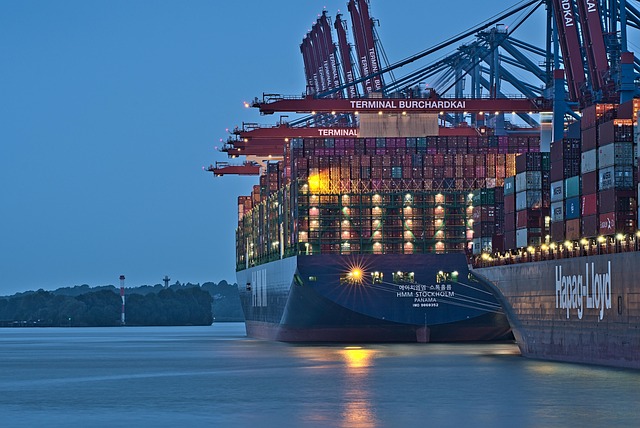
trade liberalization
Nghĩa tiếng Việt
Definition & Meaning
English Definition
The removal or reduction of restrictions or barriers on the free exchange of goods and services between nations.
Vietnamese Meaning
Sự loại bỏ hoặc giảm thiểu các hạn chế hoặc rào cản đối với việc trao đổi hàng hóa và dịch vụ tự do giữa các quốc gia.
Media Context
Interactive Examples (Tap video to Pause/Play).
Examples
-
"Trade liberalization has led to increased competition in the domestic market."
"Tự do hóa thương mại đã dẫn đến sự cạnh tranh gia tăng trên thị trường nội địa."
-
"The government is committed to trade liberalization to boost economic growth."
"Chính phủ cam kết tự do hóa thương mại để thúc đẩy tăng trưởng kinh tế."
-
"Critics argue that trade liberalization can lead to job losses in certain industries."
"Các nhà phê bình cho rằng tự do hóa thương mại có thể dẫn đến mất việc làm trong một số ngành nhất định."
Word Family (Họ từ)
| POS | Word | Meaning |
|---|---|---|
| Noun | trade | Thương mại, việc buôn bán |
| Verb | trade | Buôn bán, trao đổi |
| Noun | trader | Thương nhân, người buôn bán |
| Noun | liberalization | Sự tự do hóa |
| Verb | liberalize | Tự do hóa, gỡ bỏ hạn chế |
| Adjective | liberal | Tự do, khoáng đạt; (chính trị) tự do |
| Adjective | liberalized | Đã được tự do hóa, đã được gỡ bỏ hạn chế |
Synonyms
Antonyms
Related Words
Subject Area
Etymology (Nguồn gốc)
Usage Note
Trade liberalization involves policies that reduce tariffs, quotas, and other trade barriers, fostering increased international trade and economic integration. It's often discussed in the context of free trade agreements (FTAs) and World Trade Organization (WTO) negotiations. It aims to promote economic growth, efficiency, and consumer welfare through greater competition and access to global markets.
Prepositions
'Trade liberalization *of* specific sectors' refers to opening up particular industries to international competition. 'Progress *in* trade liberalization' refers to advancements made in reducing trade barriers overall.
Collocations (Từ đi kèm)
-
extensive extensive trade liberalization (tự do hóa thương mại sâu rộng)
-
gradual gradual trade liberalization (tự do hóa thương mại từng bước)
-
further further trade liberalization (tự do hóa thương mại hơn nữa)
-
promote promote trade liberalization (thúc đẩy tự do hóa thương mại)
-
pursue pursue trade liberalization (theo đuổi chính sách tự do hóa thương mại)
-
accelerate accelerate trade liberalization (đẩy nhanh tự do hóa thương mại)
-
policies trade liberalization policies (các chính sách tự do hóa thương mại)
-
agreements trade liberalization agreements (các hiệp định tự do hóa thương mại)
-
efforts trade liberalization efforts (những nỗ lực tự do hóa thương mại)
Idioms
-
The drive for trade liberalization
Động lực/nỗ lực thúc đẩy tự do hóa thương mại
"Many developing countries have joined the global drive for trade liberalization to boost their economies."
(Nhiều quốc gia đang phát triển đã tham gia vào động lực toàn cầu nhằm thúc đẩy tự do hóa thương mại để tăng cường nền kinh tế của họ.)
-
A wave of trade liberalization
Một làn sóng tự do hóa thương mại
"The 1990s saw a significant wave of trade liberalization across various sectors."
(Thập niên 1990 chứng kiến một làn sóng tự do hóa thương mại đáng kể trên nhiều lĩnh vực khác nhau.)
-
The benefits of trade liberalization
Những lợi ích của tự do hóa thương mại
"Economists often highlight the benefits of trade liberalization for global economic growth."
(Các nhà kinh tế thường nhấn mạnh những lợi ích của tự do hóa thương mại đối với tăng trưởng kinh tế toàn cầu.)
Interactive Flashcard
Click the card to flip and test your memory.
trade liberalization
nounSự loại bỏ hoặc giảm thiểu các hạn chế hoặc rào cản đối với việc trao đổi hàng hóa và dịch vụ tự do giữa các quốc gia.
"Trade liberalization has led to increased competition in the domestic market."
Grammar Rules
No specific grammar rules found for this term.
Cultural Context
Khám phá các khía cạnh văn hóa và xã hội thú vị xoay quanh từ "trade liberalization".