
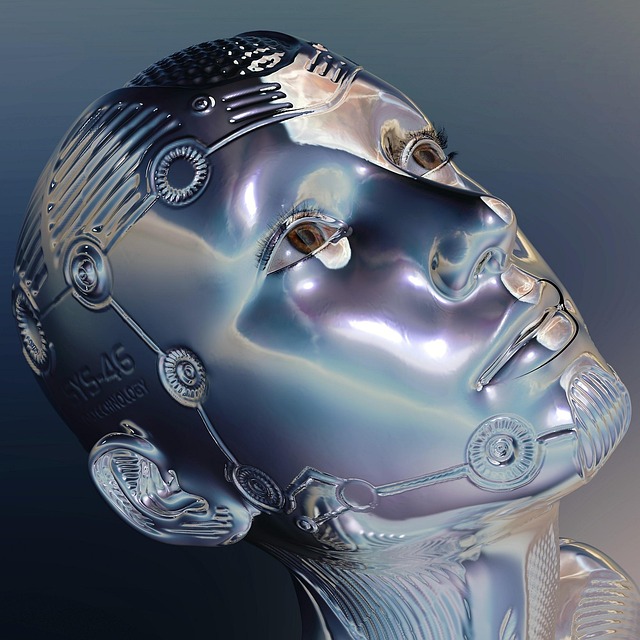
artificial intelligence
Nghĩa tiếng Việt
Definition & Meaning
English Definition
The theory and development of computer systems able to perform tasks that normally require human intelligence, such as visual perception, speech recognition, decision-making, and translation between languages.
Vietnamese Meaning
Lý thuyết và sự phát triển của các hệ thống máy tính có khả năng thực hiện các tác vụ mà bình thường đòi hỏi trí thông minh của con người, chẳng hạn như nhận thức thị giác, nhận dạng giọng nói, ra quyết định và dịch thuật giữa các ngôn ngữ.
Media Context
Interactive Examples (Tap video to Pause/Play).
Examples
-
"Artificial intelligence is rapidly transforming various industries."
"Trí tuệ nhân tạo đang nhanh chóng chuyển đổi nhiều ngành công nghiệp khác nhau."
-
"The company is investing heavily in artificial intelligence research."
"Công ty đang đầu tư mạnh vào nghiên cứu trí tuệ nhân tạo."
-
"Artificial intelligence is being used to improve medical diagnosis."
"Trí tuệ nhân tạo đang được sử dụng để cải thiện chẩn đoán y tế."
Word Family (Họ từ)
| POS | Word | Meaning |
|---|---|---|
| Adjective | Artificial | Nhân tạo, giả tạo |
| Noun | Intelligence | Trí tuệ, sự thông minh |
| Adjective | Intelligent | Thông minh |
| Noun | Artificially | Một cách nhân tạo |
Synonyms
Antonyms
Related Words
Subject Area
Etymology (Nguồn gốc)
Usage Note
Artificial intelligence (AI) is a broad field encompassing various techniques and approaches. It focuses on creating intelligent agents, which are systems that can reason, learn, and act autonomously. It's often contrasted with 'natural intelligence,' referring to human and animal intelligence. AI can be further broken down into narrow or weak AI (focused on specific tasks) and general or strong AI (hypothetically capable of understanding and performing any intellectual task that a human being can).
Prepositions
* **in AI:** Used to describe something that exists or is done within the realm of AI. Example: advancements *in* AI.
* **of AI:** Used to indicate a characteristic or component of AI. Example: applications *of* AI.
* **for AI:** Used to describe something that is intended to be used for or to benefit AI. Example: tools *for* AI.
Collocations (Từ đi kèm)
-
Advanced artificial intelligence (Trí tuệ nhân tạo tiên tiến)
-
Powerful artificial intelligence (Trí tuệ nhân tạo mạnh mẽ)
-
Sophisticated artificial intelligence (Trí tuệ nhân tạo tinh vi)
-
Develop artificial intelligence (Phát triển trí tuệ nhân tạo)
-
Implement artificial intelligence (Triển khai trí tuệ nhân tạo)
-
Use artificial intelligence (Sử dụng trí tuệ nhân tạo)
Idioms
-
AI revolution
Cuộc cách mạng AI (trí tuệ nhân tạo)
"The AI revolution is changing the world."
(Cuộc cách mạng AI đang thay đổi thế giới.)
-
Artificial intelligence is the future
Trí tuệ nhân tạo là tương lai
"Many believe that artificial intelligence is the future of technology."
(Nhiều người tin rằng trí tuệ nhân tạo là tương lai của công nghệ.)
Interactive Flashcard
Click the card to flip and test your memory.
artificial intelligence
NounLý thuyết và sự phát triển của các hệ thống máy tính có khả năng thực hiện các tác vụ mà bình thường đòi hỏi trí thông minh của con người, chẳng hạn như nhận thức thị giác, nhận dạng giọng nói, ra quyết định và dịch thuật giữa các ngôn ngữ.
"Artificial intelligence is rapidly transforming various industries."
Grammar Rules
Rule: Zero Conditional (Câu Điều kiện Loại 0)
| Loại câu | Ví dụ Tiếng Anh | Bản dịch Tiếng Việt |
|---|---|---|
| Khẳng định | If artificial intelligence improves, our lives become easier. |
Nếu trí tuệ nhân tạo cải thiện, cuộc sống của chúng ta trở nên dễ dàng hơn. |
| Phủ định | When artificial intelligence is poorly programmed, it doesn't work effectively. |
Khi trí tuệ nhân tạo được lập trình kém, nó không hoạt động hiệu quả. |
| Nghi vấn | If artificial intelligence makes a mistake, does it learn from it? |
Nếu trí tuệ nhân tạo mắc lỗi, nó có học hỏi từ đó không? |
Rule: Wish / If Only Structures (Cấu trúc 'wish' / 'if only')
| Loại câu | Ví dụ Tiếng Anh | Bản dịch Tiếng Việt |
|---|---|---|
| Khẳng định | I wish artificial intelligence wasn't advancing so quickly; I feel overwhelmed. |
Tôi ước trí tuệ nhân tạo không phát triển quá nhanh; tôi cảm thấy choáng ngợp. |
| Phủ định | If only artificial intelligence hadn't replaced so many jobs in the past decade. |
Giá như trí tuệ nhân tạo không thay thế nhiều công việc trong thập kỷ qua. |
| Nghi vấn | Do you wish artificial intelligence would finally solve climate change? |
Bạn có ước trí tuệ nhân tạo cuối cùng sẽ giải quyết vấn đề biến đổi khí hậu không? |
Cultural Context
Khám phá các khía cạnh văn hóa và xã hội thú vị xoay quanh từ "artificial intelligence".