
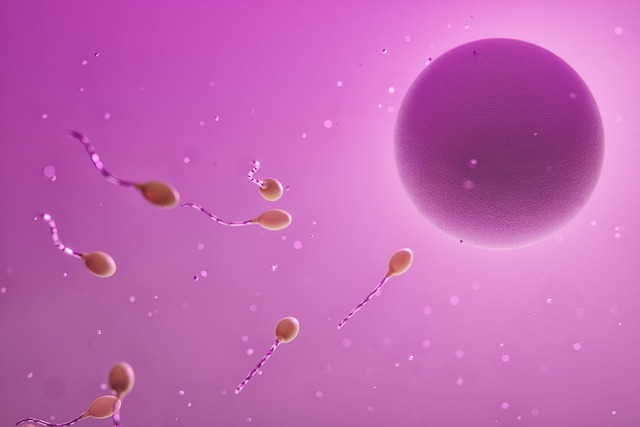
sexual reproduction
Nghĩa tiếng Việt
Definition & Meaning
English Definition
The production of new living organisms by combining genetic information from two individuals of different types (sexes). It involves the processes of meiosis and fertilization.
Vietnamese Meaning
Sự sinh sản của các sinh vật sống mới bằng cách kết hợp thông tin di truyền từ hai cá thể khác loại (giới tính). Nó bao gồm các quá trình giảm phân và thụ tinh.
Media Context
Interactive Examples (Tap video to Pause/Play).
Examples
-
"Sexual reproduction results in offspring with a unique combination of genes."
"Sinh sản hữu tính tạo ra con cái với sự kết hợp gen độc đáo."
-
"The vast majority of animals reproduce through sexual reproduction."
"Đa số động vật sinh sản thông qua sinh sản hữu tính."
-
"Sexual reproduction increases genetic diversity within a population."
"Sinh sản hữu tính làm tăng sự đa dạng di truyền trong một quần thể."
Word Family (Họ từ)
| POS | Word | Meaning |
|---|---|---|
| Noun | sex | giới tính, tình dục |
| Noun | reproduction | sự sinh sản |
| Noun | sexuality | tính dục, bản năng tình dục |
| Verb | reproduce | sinh sản |
| Adjective | sexual | thuộc về giới tính/tình dục |
| Adjective | reproductive | thuộc về sinh sản |
| Adjective | asexual | vô tính |
Synonyms
Antonyms
Related Words
Subject Area
Etymology (Nguồn gốc)
Usage Note
Sexual reproduction contrasts with asexual reproduction, which involves only one parent and produces offspring that are genetically identical to the parent. Sexual reproduction leads to genetic variation, which is essential for adaptation and evolution. The term is used in biology, genetics, and related fields. It emphasizes the involvement of two sexes or types and the combining of genetic material.
Prepositions
"In" indicates the context or area where sexual reproduction occurs (e.g., "Sexual reproduction in mammals"). "Of" indicates possession or origin (e.g., "The process of sexual reproduction").
Collocations (Từ đi kèm)
-
successful successful sexual reproduction (sinh sản hữu tính thành công)
-
complex complex sexual reproduction (sinh sản hữu tính phức tạp)
-
human human sexual reproduction (sinh sản hữu tính ở người)
-
internal internal sexual reproduction (sinh sản hữu tính nội bộ (trong cơ thể))
-
undergo undergo sexual reproduction (trải qua/tiến hành sinh sản hữu tính)
-
involve involve sexual reproduction (liên quan đến sinh sản hữu tính)
-
rely on rely on sexual reproduction (dựa vào sinh sản hữu tính)
-
leads to sexual reproduction leads to genetic diversity (sinh sản hữu tính dẫn đến sự đa dạng di truyền)
-
ensures sexual reproduction ensures species survival (sinh sản hữu tính đảm bảo sự sống còn của loài)
Idioms
-
modes of sexual reproduction
các hình thức sinh sản hữu tính
"Different species exhibit various modes of sexual reproduction."
(Các loài khác nhau thể hiện nhiều hình thức sinh sản hữu tính đa dạng.)
-
the advantages of sexual reproduction
những lợi ích của sinh sản hữu tính
"One of the key advantages of sexual reproduction is genetic variation."
(Một trong những lợi ích chính của sinh sản hữu tính là sự biến đổi di truyền.)
-
asexual vs. sexual reproduction
sinh sản vô tính so với sinh sản hữu tính
"The study compared the efficiency of asexual vs. sexual reproduction in plants."
(Nghiên cứu so sánh hiệu quả của sinh sản vô tính so với sinh sản hữu tính ở thực vật.)
Interactive Flashcard
Click the card to flip and test your memory.
sexual reproduction
nounSự sinh sản của các sinh vật sống mới bằng cách kết hợp thông tin di truyền từ hai cá thể khác loại (giới tính). Nó bao gồm các quá trình giảm phân và thụ tinh.
"Sexual reproduction results in offspring with a unique combination of genes."
Grammar Rules
No specific grammar rules found for this term.
Cultural Context
Khám phá các khía cạnh văn hóa và xã hội thú vị xoay quanh từ "sexual reproduction".